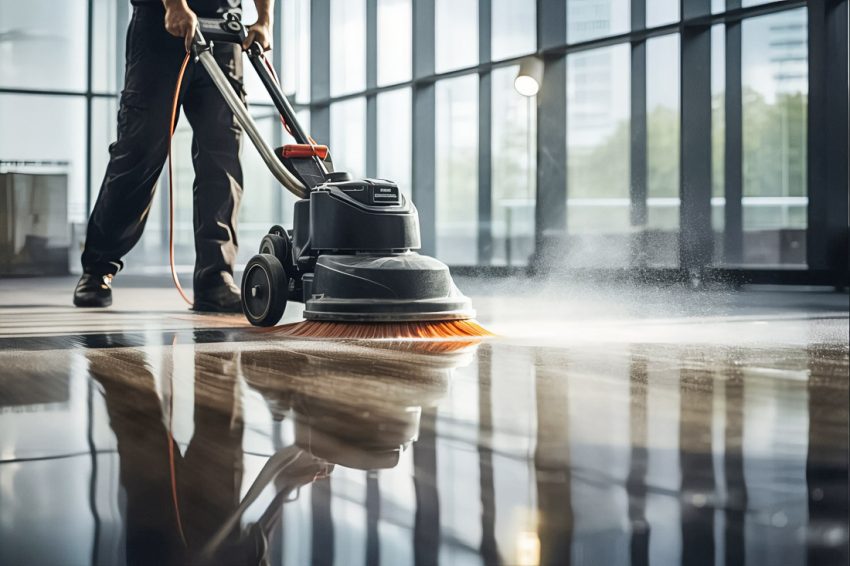
Maintaining cleanliness is not just a matter of external impression. This is a system where every clause of the contract, every procedure and every check directly affects the comfort, safety and efficiency of employees. Office cleaning management requires not only choosing a contractor, but also building a clear structure of responsibility, transparency and control. Today, a professional office cleaning company A contract is a strategic tool that helps a company maintain order in a literal and organizational sense.
The Contract as the Basis of the Quality System
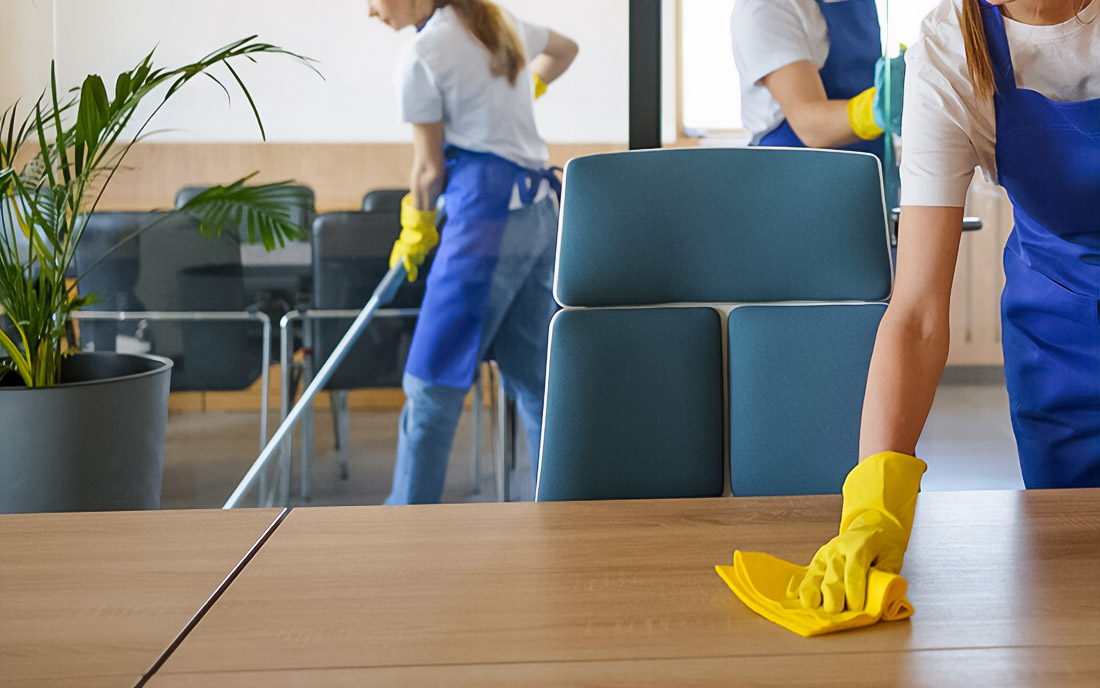
You should start with the technical assignment. It is formed in the form of RFQor ITT and includes cleaning specification, schedule, shift pattern and staffing profile. These documents determine who, when, and how will clean each area, from corridors to meeting rooms. It is important for the manager not only to specify the cleaning frequency, but also to provide a control system through the Service Level Agreement and Key Performance Indicators. For example, KPI can be measured by the percentage of completed tasks, the level of complaints, or the results of quality audits.
Good contracts provide for monthly audits that record the quality of work. The reports are uploaded to the secure online portal, where the facility manager can evaluate the dynamics, add comments, and monitor whether ISO 9001 and ISO 14001 standards are being met. Without such data, management turns into guesswork.
The contractor’s responsibility must be specified in the contract. Current risk assessment, methodological documents (RAMS, Safe Systems of Work) and insurance confirmations public liability and employers’ liability are required. These documents protect both sides and minimize legal risks.
Personnel, Training and Supervision
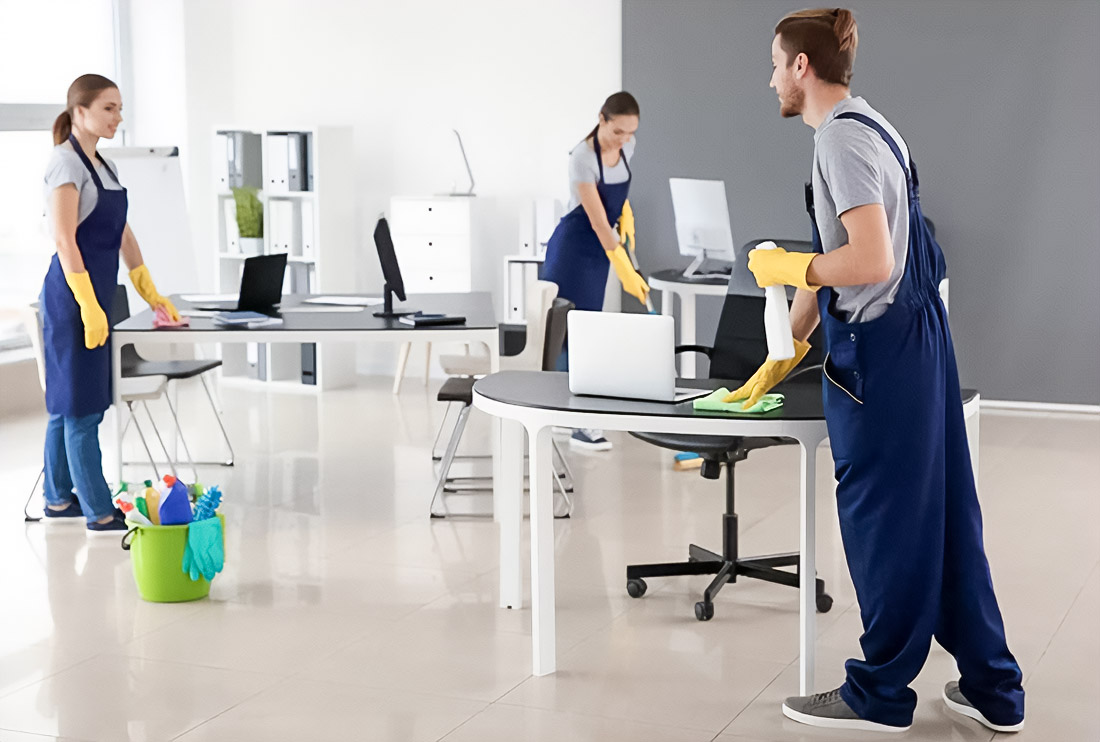
The staff plays a key role. Trained specialists take background checks and occupational safety courses. Professional productivity varies from 230 to 250 square meters per hour, but this indicator varies depending on the room: bathrooms, kitchens, reception and meeting rooms require more attention and time.
A reliable contractor does not hide the structure of supervision: who controls shifts, how inspections are carried out, and what tools are used. Modern cleaning teams work with HEPA vacuum cleaners, electrostatic sprayers and eco-friendly products conforming to EN14476. This is especially important for areas with high touch density keyboards, door handles, and elevator panels.
In recent years, daytime cleaning presence has been gaining popularity. This not only improves hygiene, but also makes the service more visible. In hybrid offices, where employees arrive on different schedules, this scheme ensures constant order.
Quality control is increasingly being automated. Many companies use digital cleaning schedules, applications, and online portals where completed tasks, photo reports, and comments are recorded. This makes the interaction transparent and reduces the likelihood of conflicts.
Sustainability, Transparency and Market Trends

Modern contracts go far beyond cleaning. They affect ESG goals, reduction of water consumption, transition to green cleaning and safe chemical formulations. All this is confirmed by accreditations and sustainability reports. Managers are increasingly demanding not just cleanliness, but evidence of a responsible approach.
When evaluating contractors, it is important to consider not only the price, but also the structure. Transparency of pricing is the key. The contract must contain detailed checklists, a schedule, a description of the area of responsibility and a confirmation of licenses. Any hidden payments are unacceptable. A good supplier provides recommendations, a list of clients, and the opportunity to conduct a trial cleaning.
Interestingly, sales statistics show that up to 80% of successful transactions require at least five customer contacts before a contract is signed. However, 44% of performers stop trying after the first attempt. In the field of cleaning, this is especially noticeable those who show perseverance and flexibility win.
For large offices with a hybrid workweek structure, an individual cleaning plan is relevant. It can include different productivity zones 230 m2 per hour for standard workspaces and less for bathrooms or reception areas. Regular monthly reviews help you adjust schedules, evaluate KPIs, and optimize costs.
The importance of technology is growing. Modern cleaning companies use online tools for monitoring and feedback: the customer can monitor the status of tasks in real time, receive reports and give comments. All this increases transparency and trust.
An office cleaning contract is not just a signed document. It is a living mechanism where quality, responsibility and sustainability are intertwined. Not only the cleanliness of the premises depends on the correct structure, but also the atmosphere in the company, brand perception, and even employee productivity. A well-designed cleaning contract allows you to avoid chaos, save your budget, and maintain standards that make your workspace safe, tidy, and truly professional.

I graduated from the California Institute of Technology in 2016 with a bachelor’s degree in software development.