Creating marketing materials is rarely an easy task. Even an experienced designer spends a lot of time searching for icons, illustrations, textures, patterns, backgrounds, and fonts before proceeding with the final layout. Brochures, flyers, social media graphics, and banner ads require dozens of small elements. Each of them should be combined with the others, maintain brand identity, and fit into the overall visual style.
That’s why many experts have started using design bundles. These are ready-made sets of design assets, where templates, graphics, vector graphics, editable templates, layouts, and colour palettes are already assembled. For freelancers especially, design bundles for graphic designers have become a practical way to simplify the design workflow and create marketing materials faster without sacrificing quality.
What is a Design Bundle?

The design bundle is a collection of graphic design assets united by a single theme or style. There are usually different graphic elements inside that can be used together:
- Templates
- Icons
- Illustrations
- Textures
- Patterns
- Backgrounds
- Vector graphics
- SVG files
- Mockups
- Layout templates
- Presentation templates
This structure eliminates the need to search for stock assets individually. All the elements are already combined in curated asset collections, which makes the work noticeably faster.
As a result, the designer gets a ready-made foundation for creating:
- Brochures
- Flyers
- Social media templates
- Advertising creatives
- Presentation slides
- Marketing collateral
- UI design
- UX design
- Web elements
This makes design bundles useful for both print design and digital design.
Saving Time During the Work Process

Many designers have faced the same problem. First, you need to find icons, then select fonts, then look for suitable patterns, textures, or vector graphics. Sometimes this stage takes longer than the design itself.
The situation is changing with the design bundle. Instead of a chaotic search, the designer immediately receives a ready-made set of editable templates, layout templates, and branding assets.
All elements are already visually aligned. This improves design productivity and allows designers to focus on layout, messaging, and creativity rather than resource hunting. For freelancers managing multiple projects at once, design bundles for graphic designers can dramatically reduce preparation time.
Economic Benefits
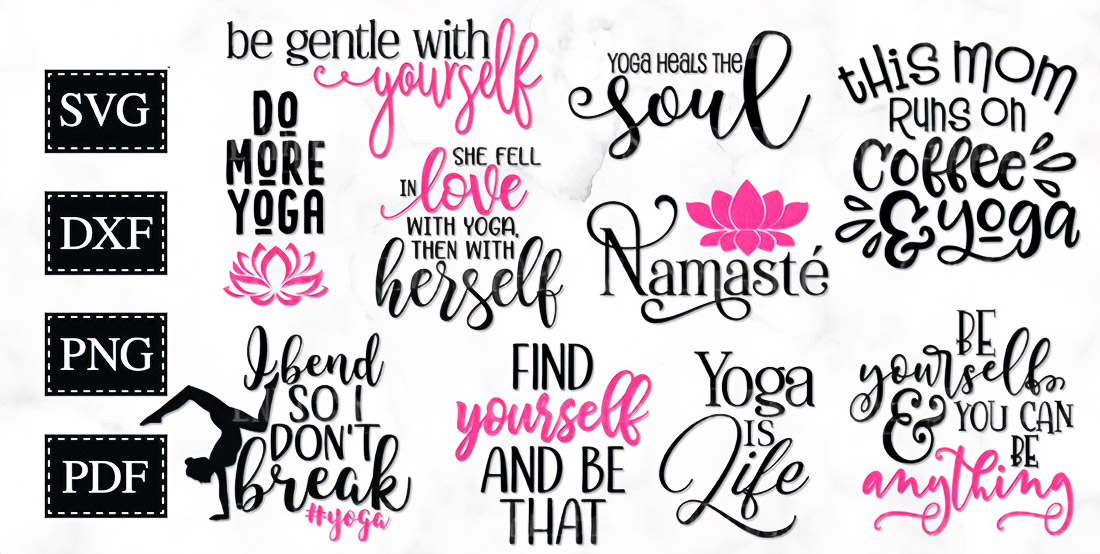
Another important factor is cost. Individual stock graphics, templates, or vector illustrations can be quite expensive. However, design bundles are often sold at great discounts.
Sometimes the cost can be reduced to 96% of the regular price of individual assets. This is especially important for freelancers, small studios, and marketing teams who regularly need design resources for new projects.
Huge Libraries of Resources
Modern design marketplaces offer huge catalogues of graphics. For example, some platforms contain:
- More than 800,000 products
- Graphics from 6,500 independent designers
- More than 2,000,000 users who regularly use such resources
You can find almost any design assets in these libraries:
- Logos
- Icons
- Backgrounds
- Clip art
- Patterns
- Textures
- Mockups
- Web elements
In fact, the designer gets access to a huge design library, where it is easy to find the necessary digital design assets.
The Main Types of Design Bundles
Branding Kits
The branding kits include branding assets and elements for creating a brand identity. Usually it is:
- Logo templates
- Icons
- Fonts
- Color palettes
- Layout templates
These sets help maintain design consistency in all visual materials.
Marketing Kits
Marketing design bundles often contain:
- Social media graphics
- Advertising templates
- Brochure templates
- Flyer templates
- Marketing collateral
This allows you to quickly create marketing graphics for different channels.
Interface Kits
In web development, UI/UX bundles are used, which include:
- UI kits
- Wireframes
- Icons and symbols
- Interface templates
Such kits help to speed up the creation of the user interface and improve the user experience.
Presentation Kits
For presentations, presentation templates are used with ready-made presentation slides, charts, graphics and layout templates. This simplifies the preparation of business materials.
File Formats
Most design bundles support different file formats, which makes them universal. Most commonly used:
- PSD
- AI
- PNG
- SVG
Support for popular formats facilitates customisation and makes assets compatible with different design software.
Editing Flexibility
An important feature of editable templates is the ability to quickly change design elements. For example:
- Replace fonts
- Change the color palettes
- Configure layouts
- Edit vector graphics
If necessary, the designer can change vector elements, adapt illustrations, or adjust templates for a specific project. This makes design scalability much easier.
Asset Licensing
Flexible licensing terms are another advantage. Many kits offer:
- Commercial use licence
- Personal use licence
- Royalty-free assets
This means that digital assets can be used in commercial projects without additional restrictions.
How Asset Sets Affect the Work of Designers
Using design bundles changes the way you create graphics. Instead of designing each element from scratch, the designer can use reusable templates and asset libraries.
This is especially useful for tasks where a large amount of visual content is required.
- Social media templates
- Advertising creatives
- Marketing graphics
- Presentation slides
In addition, curated assets help maintain a cohesive design system, which is important for brand awareness.
Economics of The Design Business
Process optimisation also affects the financial side of work. In the field of freelancing, the operating margin can be approximately 25-35%, and when scaling a business, 40-50%.
The fixed costs of a design business can reach about 80,600 per year. If the rate is 100 per hour, it takes approximately 67 hours of work per month to cover these costs.
Therefore, tools that accelerate the design workflow directly affect the profitability of projects.
Design bundles have become an important tool for designers. They combine design assets, templates, vector graphics, icons, illustrations, textures, patterns, and backgrounds into convenient asset collections. Such kits help to speed up work, reduce the cost of stock assets, maintain design consistency and improve creative workflow optimisation.
As a result, designers can create marketing materials, branding assets, and other digital design assets faster, without spending hours searching for individual elements.

I graduated from the California Institute of Technology in 2016 with a bachelor’s degree in software development.